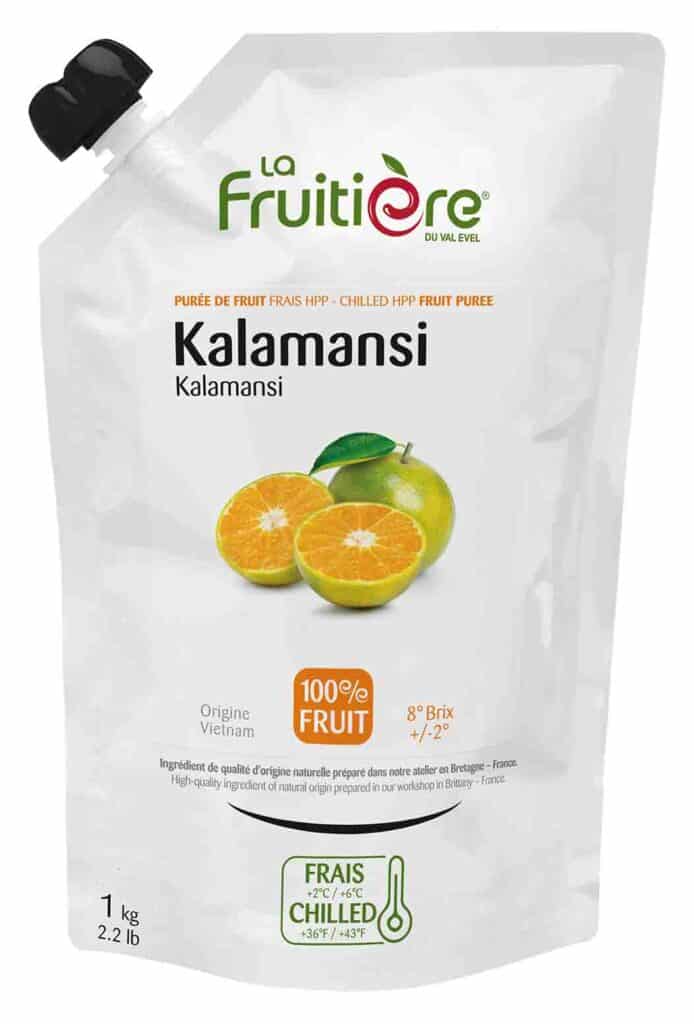
Discover the subtle differences between kalamansi and lemon, two star citrus fruits in pastry and ice cream making. This article explores their flavors, uses, and unique qualities to elevate your sweet creations. A delicious comparison of acidity, freshness, and exotic flair.
Kalamansi vs. Lemon: how do their flavors and aromas differ in desserts?
In Pastry and Ice Cream Making:
The choice between kalamansi and lemon goes far beyond a simple preference for acidity: it is a decision that shapes the depth and originality of your creations. Though similar in appearance, these two citrus fruits offer radically different flavor profiles, capable of transforming a classic recipe into a unique sensory experience.
- Lemon, the undisputed star of Western kitchens, captivates with its clean, linear acidity, bold zest, and fresh aroma. It is the perfect partner for balancing sweetness or adding a classic tangy note. Its bright, familiar flavor makes it an exceptionally versatile ingredient, used in everything from lemon meringue tarts to lemon and basil sorbets. On the palate, it delivers an immediate burst of freshness, ideal for awakening the taste buds.
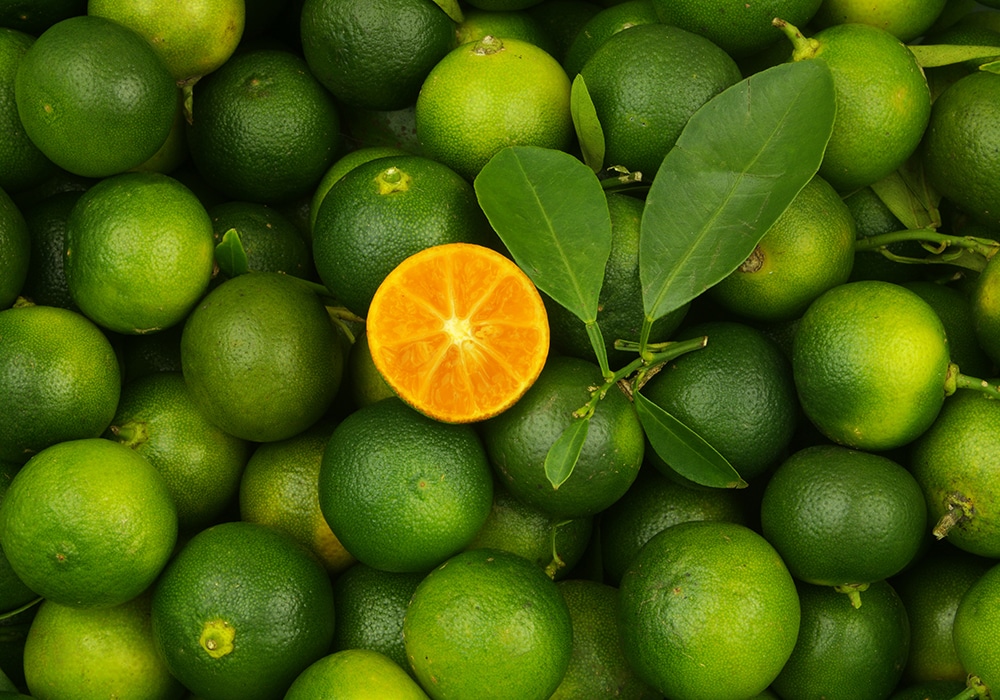
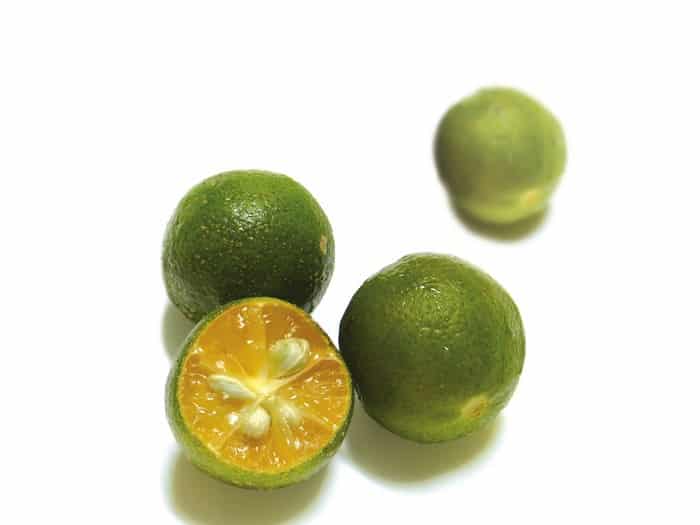
- Kalamansi, on the other hand, is an exotic citrus fruit that stands out for its aromatic complexity. Less acidic than lemon, it reveals floral and fruity notes reminiscent of yuzu, mandarin, and a hint of pomelo. Its smoothness on the palate and subtle nuances make it an ideal ally for more daring creations, such as kalamansi and white chocolate ganache or kalamansi and coconut ice cream. Unlike lemon, kalamansi brings an aromatic depth that lingers on the palate, making it perfect for truly memorable desserts.
In practice
- For sharp acidity and a classic touch, choose lemon.
- For greater aromatic complexity and an exotic note, opt for kalamansi.
Tip: Combine both for perfect balance. For example, in a mousse, use 70% lemon for acidity and 30% kalamansi for aromatic depth.ez 70% de citron pour l’acidité et 30% de kalamansi pour la profondeur.
Uses in Pastry and Ice Cream Making: When to Choose Kalamansi or Lemon?
The choice between kalamansi and lemon depends primarily on the type of preparation and the desired effect. Here is a practical guide to help you decide, whether you are a pastry chef, ice cream maker, or artisanal dessert creator.
In Pastry
- Lemon:
Timeless classics: tarts, macarons, financiers, madeleines.
Techniques: Its juice is ideal for activating gluten in doughs (e.g., choux pastry) or stabilizing meringues. The zest, rich in essential oils, brings an aromatic burst to creams and biscuits.
Example: A lemon meringue tart relies on the perfect balance between the lemon’s acidity and the sweetness of the meringue.
- Kalamansi :
High-end creations: entremets, light mousses, flavored shortbread cookies.
Techniques: Its candied zest, less bitter than lemon zest, is perfect for decorating desserts. Its purée adds an exotic twist to sponge cakes and creams.
Example: A kalamansi and white chocolate mousse, with its floral notes, surprises and delights lovers of original flavors.
In Ice Cream Making
- Lemon:
Refreshing sorbets and ice creams: often paired with mint, basil, or vodka for a thirst-quenching effect.
Tip: Use fresh lemon juice to prevent crystallization and achieve a smooth, creamy texture.
- Kalamansi:
Exotic ice creams: kalamansi-passion fruit, kalamansi-ginger, or kalamansi-coconut for a true flavor journey.
Tip: Reduce kalamansi into a syrup to intensify its flavor in ice creams and sorbets.
Kalamansi Purée vs Lemon Purée: Benefits and Tips for Optimal Use
For professionals, fruit purées offer significant time savings, consistent flavor standardization, and easy storage. However, the differences between lemon purée and kalamansi purée are striking.
Lemon Purée
- Benefits:
Available year-round, it allows you to standardize the flavor of your preparations, regardless of the batch.
Ideal for large-scale production (fillings, creams, ice creams), where consistency of taste is essential.
- Usage:
Dosage: 10–15% of the total weight for a pronounced acidity.
Tip: Pair it with vanilla or orange blossom to soften its acidity.
Kalamansi puree
- Benefits:
As fresh kalamansi is rare in Europe, purée is the ideal way to easily incorporate it into your recipes.
Its flavor is more stable than fresh juice, with floral and fruity notes that hold up better during cooking.
- Usage:
Dosage: 5–10% of the total weight to avoid overpowering other flavors.
Tip: Ideal for recipes requiring gentle acidity and exotic notes (e.g., panna cotta, macarons).
Le kalamansi, l’agrume exotique qui révolutionne les recettes traditionnelles
À l’ère où les consommateurs recherchent l’exotisme, la naturalité et l’originalité, le kalamansi s’impose comme l’ingrédient phare pour sublimer les desserts traditionnels. Cet agrume, originaire d’Asie du Sud-Est, séduit les professionnels par son profil aromatique unique et sa capacité à transformer des recettes classiques en créations audacieuses.
Pourquoi le kalamansi séduit les pros ?
Tendances : Les clients sont de plus en plus attirés par les saveurs dépaysantes et les expériences gustatives inédites.
Exemples de recettes innovantes :
Glacerie : Sorbet kalamansi-litchi, glace kalamansi-thé vert.
Pâtisserie : Éclair kalamansi-curry, cheesecake kalamansi-citron vert.
Comment l’intégrer facilement ?
Remplacez 30% du citron par du kalamansi dans vos recettes existantes pour un twist original.
Utilisez le zeste confit pour décorer vos desserts, apportant à la fois un visuel attrayant et une explosion de saveurs.
Retour d’expérience
« Le kalamansi a sauvé ma collection été 2025 ! Mes clients ont adoré son côté dépaysant, et les ventes ont explosé. » – Glacier, Lyon.